
Contact Info
-
8/251-6, Bharathi Nagar 1st Street, (Near-Thangam Mahal), Kalankarai, Ramanathapuram - 623 503.
- vimalathithan1987@gmail.com
- 7558118917
8/251-6, Bharathi Nagar 1st Street, (Near-Thangam Mahal), Kalankarai, Ramanathapuram - 623 503.



Sciatica is a condition that develops when the sciatic nerve becomes irritated or compressed, causing pain that typically begins in the lower back and travels down the leg. This nerve pain may extend through the hip, buttock, and sometimes into the calf or foot. The intensity of the discomfort can vary from mild irritation to sharp or burning pain that makes sitting, standing, or walking difficult. Many individuals searching for Sciatica Treatment in Ramanathapuram are often experiencing this radiating nerve pain and are looking for effective treatment that helps restore comfortable movement.
At BM Physio Clinic, physiotherapy treatment focuses on identifying the underlying cause of sciatic nerve irritation and guiding patients through structured rehabilitation programs. Dr. Vimal Athithan, a consultant physiotherapist experienced in managing orthopaedic and musculoskeletal conditions, evaluates the spine and movement patterns before planning physiotherapy care. Treatment programs aim to reduce nerve compression, improve spinal mobility, and strengthen the muscles that support the lower back. People looking for a Sciatica Pain Relief Centre in Ramanathapuram often benefit from physiotherapy approaches that focus on long-term recovery rather than temporary pain relief.
Sciatica is not considered a disease but rather a group of symptoms that occur when the sciatic nerve becomes compressed or irritated. The sciatic nerve is the largest nerve in the body and begins in the lower spine before passing through the hips and down the legs. When pressure is placed on this nerve due to spinal problems, muscle tightness, or disc issues, it can produce pain along the nerve pathway. This is why sciatica pain often spreads from the lower back to the buttock and leg.
Individuals experiencing sciatica may also notice tingling sensations, numbness, or muscle weakness in the affected leg. These symptoms occur because the nerve signals traveling through the sciatic nerve are disrupted. Many people searching for a Doctor For Sciatica Treatment seek professional evaluation when these symptoms begin to interfere with everyday activities. Physiotherapy treatment helps relieve pressure on the nerve while improving flexibility and strength in the surrounding muscles, allowing the spine to function more comfortably.
Sciatica pain often develops when something places pressure on the sciatic nerve. One of the most common causes is a spinal disc problem where the disc bulges outward and compresses nearby nerves. Muscle tightness in the hips or buttocks can also irritate the nerve and cause similar symptoms. In many cases, a combination of spinal strain and muscular imbalance contributes to nerve irritation.
Lifestyle factors may also increase the risk of developing sciatica. Long periods of sitting, poor posture, and lack of physical activity can place excessive strain on the lower spine. Individuals who frequently lift heavy objects or perform repetitive bending movements may also experience increased pressure on spinal structures. People looking for Sciatica Treatment in Ramanathapuram often require professional evaluation to determine the exact cause of their nerve pain before starting treatment.

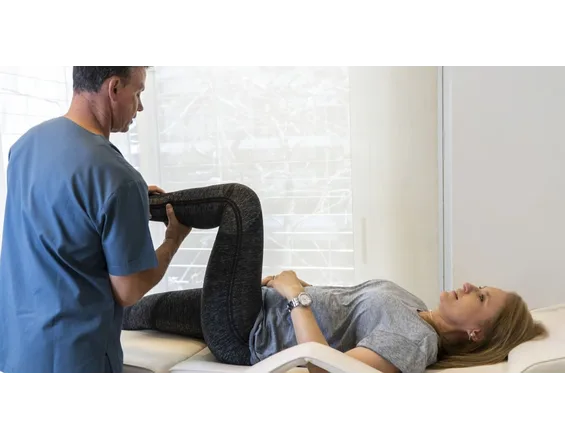
The symptoms of sciatica usually begin with discomfort in the lower back before extending into the leg. Unlike general back pain, sciatica typically affects only one side of the body. Individuals may feel a sharp, burning, or shooting pain that travels from the lower back through the buttock and down the leg. The pain may worsen during activities such as sitting for long periods, coughing, or bending forward.
Some individuals may also experience numbness, tingling, or weakness in the affected leg. These symptoms indicate that the sciatic nerve is under pressure. Recognizing these signs early can help prevent the condition from becoming more severe. People searching for a Sciatica Pain Relief Centre in Ramanathapuram often seek treatment when nerve pain begins to interfere with daily movement, sleep, or work activities.
Occasional back discomfort may occur due to muscle fatigue or temporary strain, but persistent nerve pain that travels down the leg may indicate sciatica. If the pain continues for several days, worsens while sitting, or begins to affect daily movement, it is important to seek professional evaluation. Sciatic nerve pain can gradually worsen if the underlying cause is not addressed, which may lead to restricted mobility and difficulty performing routine activities.
Individuals searching for Sciatica Treatment in Ramanathapuram often visit a physiotherapy clinic when the pain begins to interfere with walking, sleeping, or sitting comfortably. Early physiotherapy care can help identify the cause of nerve irritation and begin treatment that reduces pressure on the sciatic nerve. Seeking treatment early often improves recovery outcomes and prevents long-term spinal complications.
Physiotherapy plays an important role in treating sciatica because it focuses on relieving nerve compression and restoring proper movement of the spine. When the muscles supporting the lower back become tight or weak, they can place additional pressure on the sciatic nerve. Physiotherapy treatment aims to reduce this pressure through guided exercises, stretching techniques, and movement correction.
People looking for a doctor for sciatica treatment often benefit from physiotherapy because it provides a non-surgical approach for managing nerve pain. Treatment programs may include therapeutic exercises to strengthen spinal muscles, stretching to improve flexibility, and posture correction strategies that reduce stress on the lumbar spine. Over time, these physiotherapy techniques help restore normal nerve function and improve overall spinal stability.
A detailed assessment is an important step in developing an effective physiotherapy treatment plan for sciatica. At BM Physio Clinic, the evaluation process focuses on understanding the patient’s symptoms, posture habits, and movement patterns. This helps identify the exact reason for sciatic nerve irritation. The assessment includes examining spinal mobility, muscle strength, nerve sensitivity, and areas where pressure may be affecting the sciatic nerve.
During the evaluation, Dr. Vimal Athithan carefully examines spinal alignment, movement limitations, and nerve-related symptoms to determine how the sciatic nerve is being affected. This detailed assessment helps guide physiotherapy treatment by identifying the root cause of the nerve pain. By focusing on accurate evaluation and personalized rehabilitation planning, the clinic aims to provide effective care for individuals searching for a Sciatica Pain Relief Centre in Ramanathapuram.
Managing sciatica effectively requires a structured rehabilitation approach that gradually relieves nerve pressure and improves spinal stability. Physiotherapy treatment usually begins with a detailed evaluation followed by pain management techniques that reduce inflammation around the affected nerve. Once pain begins to decrease, rehabilitation exercises are introduced to strengthen the muscles that support the spine and hips.
Individuals seeking Sciatica Treatment in Ramanathapuram often benefit from this step-by-step physiotherapy process because it allows the spine and nerves to recover safely. The treatment approach focuses on improving flexibility, strengthening supportive muscles, and correcting posture habits that may contribute to nerve compression. Over time, these strategies help reduce sciatica symptoms and support long-term spine health.
| Treatment Stage | Focus Area | Patient Benefit |
|---|---|---|
| Initial Assessment | Evaluation of spinal movement and nerve symptoms | Identifies the cause of sciatic nerve irritation |
| Pain Management | Physiotherapy techniques to reduce nerve inflammation | Helps relieve radiating pain |
| Mobility Improvement | Gentle stretching and spinal mobility exercises | Improves flexibility and reduces stiffness |
| Strengthening Phase | Core and hip strengthening exercises | Supports the lower spine |
| Functional Training | Movement correction and posture guidance | Improves daily activity performance |
| Prevention Stage | Lifestyle guidance and continued exercises | Reduces risk of recurrence |
Exercise therapy is a key component of physiotherapy treatment for sciatica because it helps relieve pressure on the sciatic nerve and restore normal movement in the lower back and hips. When muscles around the spine become tight or weak, they can increase stress on the lumbar region and contribute to nerve irritation. Carefully guided exercises help improve flexibility, strengthen supporting muscles, and promote better movement patterns that protect the spine.
Individuals receiving Sciatica Treatment in Ramanathapuram often benefit from rehabilitation exercises designed to strengthen the core and hip muscles while improving spinal stability. These exercises are introduced gradually so that the body can adapt without increasing strain on the irritated nerve. Consistent physiotherapy exercises can help reduce nerve compression, improve posture, and restore comfortable movement during daily activities.
Posture plays an important role in both the development and recovery of sciatica. Poor posture during prolonged sitting or standing can increase stress on the lumbar spine and contribute to nerve irritation. Many individuals who work at desks or spend long hours sitting may unknowingly place excessive pressure on the lower back, which can worsen sciatic nerve symptoms.
Physiotherapy treatment often includes guidance on maintaining proper posture and movement habits throughout daily activities. Individuals seeking Sciatica Treatment in Ramanathapuram are often advised to maintain neutral spinal alignment while sitting, avoid slouched positions, and take regular movement breaks during long periods of sitting. Learning proper lifting techniques and maintaining ergonomic workspaces can also help reduce stress on the spine and prevent future nerve irritation.
Preventing recurring sciatica is an important part of physiotherapy care. Once nerve pain improves, maintaining spinal strength and flexibility becomes essential for protecting the sciatic nerve from future irritation. Physiotherapy focuses on educating patients about healthy lifestyle habits, posture awareness, and regular exercise routines that support spinal stability.
Individuals who receive Sciatica Treatment in Ramanathapuram are often encouraged to maintain regular strengthening exercises for the core and lower back. Staying physically active helps maintain flexibility in the spine and reduces the likelihood of muscle tightness that could irritate the nerve again. Healthy habits such as maintaining a balanced body weight and avoiding sudden heavy lifting can also help protect the spine.
Recovering from sciatica often requires a combination of professional physiotherapy care, rehabilitation exercises, and healthy lifestyle habits. Physiotherapy helps relieve nerve pressure while improving the strength and flexibility of muscles that support the spine. This approach allows patients to gradually return to normal activities without placing excessive stress on the sciatic nerve.
At BM Physio Clinic, physiotherapy treatment focuses on identifying the cause of sciatic nerve irritation and guiding patients through structured rehabilitation programs. With experience in managing musculoskeletal and spinal conditions, Dr. Vimal Athithan works with patients to restore comfortable movement and improve long-term spine health. Individuals searching for a doctor for sciatica treatment often benefit from physiotherapy approaches that address the root cause of nerve pain while supporting safe recovery.
Persistent sciatic nerve pain should not be ignored, especially when it begins to affect everyday activities such as sitting, walking, or sleeping comfortably. Early physiotherapy evaluation can help identify the cause of nerve irritation and guide treatment that supports recovery. Addressing the problem early often improves treatment outcomes and prevents long-term spinal complications.
At BM Physio Clinic, physiotherapy programs are designed to reduce nerve compression, improve spinal mobility, and strengthen the muscles that support the lower back. If you are experiencing symptoms of sciatica, professional physiotherapy care can help restore comfortable movement and improve overall spine health.
Book a consultation today and begin your recovery from sciatic nerve pain.
Sciatica is a condition that occurs when the sciatic nerve becomes compressed or irritated, causing pain that radiates from the lower back down the leg.
Yes. Physiotherapy helps reduce nerve compression, improve spinal mobility, and strengthen muscles that support the lower back.
Recovery time varies depending on the severity of the condition, but many individuals experience improvement within a few weeks of structured physiotherapy treatment.
If nerve pain lasts for several days, spreads down the leg, or causes numbness or weakness, professional evaluation is recommended.
Yes. Regular strengthening and stretching exercises help support the spine and reduce the risk of recurring sciatic nerve irritation.

